Video for grant applications works when a funder asks for it, and only if you follow that funder’s rules exactly: how many minutes reviewers will watch, whether they want a file or a link, and how recent the footage must be. Most grant applications are still written. But arts councils, some community foundations, and grantee storytelling programs now request video, and their rules differ enough that one generic video rarely fits them all. The safest plan is a library of short, well-labeled program footage you can cut to each funder’s spec.
This guide is part of our nonprofit video production series. It covers grant video specifically. Donor-facing videos follow different rules.
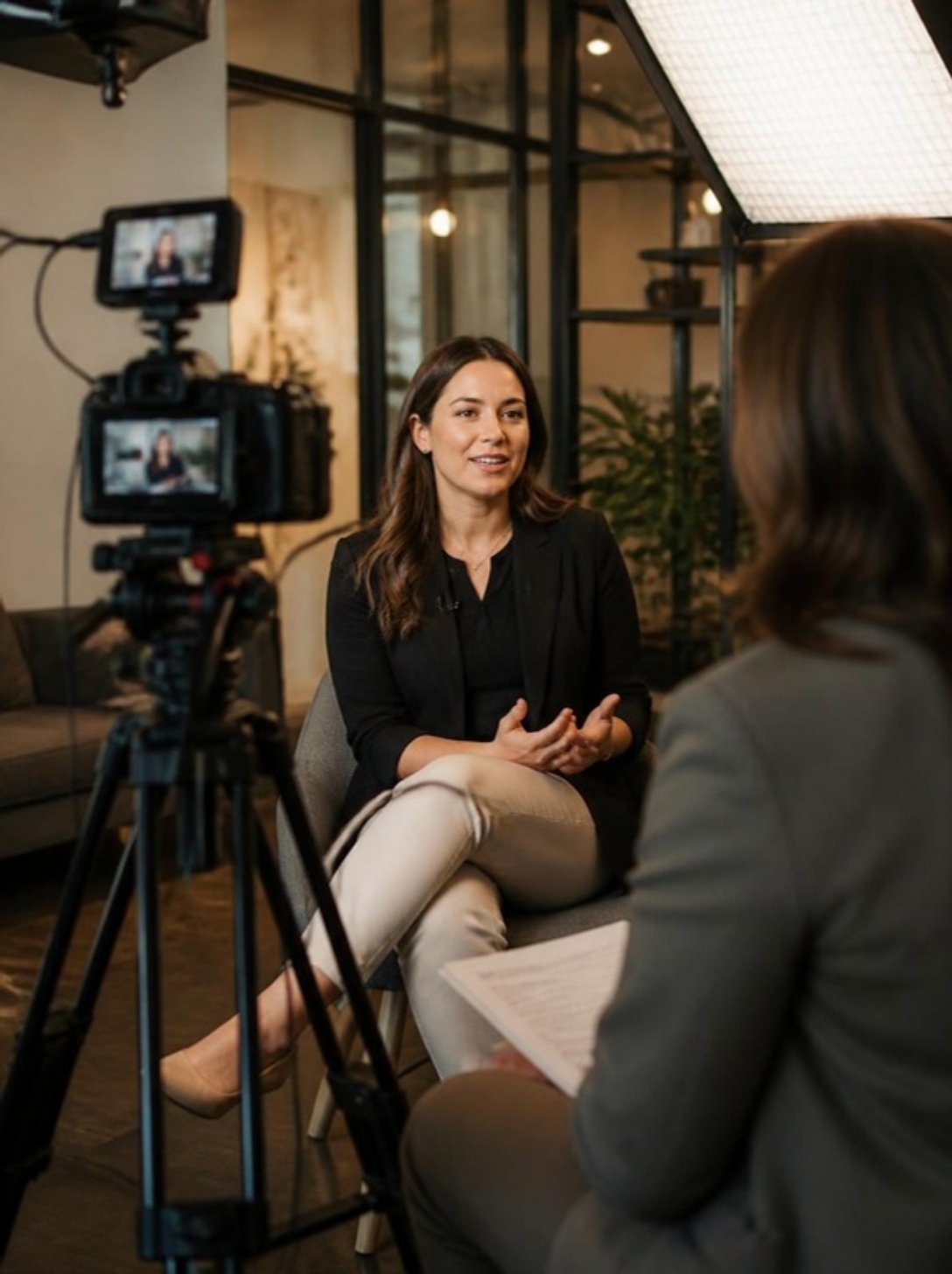
Do grant applications accept video?
Some do, and a few require it. Here are the main places video shows up in grantmaking:
- Arts council work samples. State arts agencies routinely ask for audiovisual work samples, and reviewers use them to judge quality. The Texas Commission on the Arts tells applicants that evaluators “will get as much (if not more) information” from AV materials as from the written application, and that artistic quality is half the score.
- Video applications at community foundations. Longmont Community Foundation in Colorado has run grant cycles that request video applications from nonprofits, and offered applicants a training on how to make them.
- Grantee storytelling programs. In 2018 the Harry and Jeanette Weinberg Foundation asked current grantees for videos showing their mission and impact, and gave $2,500 grants to the ten highest-scoring entries.
- Supporting material and reports. Even when the application is written, a short program video can support a site visit, a renewal, or a final report, if the funder says it will look at links.
If the guidelines don’t mention video, don’t add it. Reviewers follow their instructions, and an unrequested link can be ignored or, worse, read as not following directions.
What rules do funders set for grant videos?
They vary more than most teams expect. Two state arts agencies show the range:
| Funder | Video rules |
|---|---|
| Texas Commission on the Arts | Evaluators view up to four minutes and stop at the four-minute mark. One AV file only, uploaded to the grants portal. No YouTube or Vimeo links. Focus on work from the past two years. |
| Washington State Arts Commission (ArtsWA) | Up to five work samples. Video totals no more than five minutes, and panelists spend 3–5 minutes per application. Suggests a YouTube (or similar) link and a start timestamp. |
One funder forbids links. The other recommends them. A video built for one could be disqualified by the other. That’s why the first step is always the guidelines, not the camera.
Key takeaway: Grant reviewers watch a few minutes at most, on their own schedule, with a scoring rubric in front of them. Make the first minute count, and cut every version to the funder’s exact limit.
How is a grant video different from a donor video?
A donor video is built to move someone to give tonight. A grant video is built to help a reviewer score you. That changes what goes on screen:
- Proof over emotion. Show the program actually running: the class, the clinic, the rehearsal, the distribution day. Reviewers want to see that the work exists and that you can deliver it.
- Capacity on camera. A short line from the program lead about how the work is run tells a funder there are real people managing their money.
- Match the proposal. If your proposal is for the after-school program, the video should be about the after-school program, not a tour of everything you do.
- Quality where it’s scored. For arts funders, the footage is the evidence of artistic quality, so sound and picture matter. For a social-service funder, clarity matters more than polish.
A fund-a-need video made for a gala is a good source of footage, but it usually needs a new edit before it works as a grant sample.
How do you make a grant video reviewers will watch?
- Read the guidelines first. Note the time limit, file or link, file types and size, how many samples, and how recent the work must be. Texas, for example, caps uploads at 999 MB and lists the allowed file types.
- Put your best minute first. If reviewers stop at the limit, anything after it doesn’t exist. Open on the program in action, not a logo and a slow pan.
- Cue the start point. ArtsWA asks applicants to give a timestamp in the description if panelists should start somewhere specific. Use it.
- Label everything. Title, date, location, and a one-line description. Texas asks for credit lines and an explanation if the connection to your organization isn’t obvious. ArtsWA warns that panelists won’t roam through a website looking for the right clip.
- Use recent footage. Texas asks for work from the past two years. Old footage of a program that has changed is a weak sample.
- Add captions. Reviewers may watch with the sound low or off. Captions also make interview content easier to follow and score.
- Test the upload or link before the deadline. Check that the file opens, the link isn’t private, and the video plays without a login.
What footage should you have ready for grant season?
Grant deadlines don’t wait for a shoot. The organizations that use video well in grants keep a small library they can cut from on short notice:
- Program b-roll from each major program, refreshed at least every two years.
- Two or three short interviews: your ED, a program lead, and a participant (with consent).
- A one-minute and a three-minute overview cut, so most time limits are already covered.
- Clean exports and a captioned version stored where your grant writer can find them.
Aktion’s nonprofit page notes that one planned shoot day can produce several versions, such as a gala film, a grant video, and social cuts. Asking for a grant cut at the planning stage costs far less than re-editing later. Our guide to nonprofit video production cost shows how versions affect the budget.
Frequently asked questions
Can I put a YouTube link in a grant application?
Only if the funder allows it. ArtsWA suggests uploading video to YouTube or a similar service and using its link option. The Texas Commission on the Arts tells applicants not to include links at all, because evaluators won’t follow them. Check the guidelines for each application, and make sure any link is viewable without a login.
How long should a grant video be?
As long as the funder allows and no longer, usually a few minutes at most. Texas reviewers stop at four minutes. ArtsWA caps combined video at five minutes and says panelists spend three to five minutes per application. If there’s no stated limit, keep it to about two minutes.
Does a grant video need to be professionally produced?
Not always. Longmont Community Foundation told applicants they don’t need to be videographers to make a video application. For arts funders that score artistic quality from the work sample, though, picture and sound quality directly affect your score, so professional footage is often worth it.
Can we reuse our gala or donor video for a grant?
You can reuse the footage, but usually not the edit. Donor videos are built around emotion and an ask. Grant videos need to show the specific program in the proposal, fit the funder’s time limit, and carry the labels reviewers ask for. Re-cut it, and make sure your releases cover the new use. Our guide to nonprofit storytelling video consent explains why a new use means asking again.
Getting ready for grant season?
Aktion films program footage and interviews for nonprofits in Orlando and across Florida, planned so the same shoot covers grant samples, donor appeals, and social. Learn more on our nonprofit video production page, or tell us which grants are coming up and we’ll help you plan the footage.
Sources
- Texas Commission on the Arts, Instructions for Audiovisual Materials (PDF)
- Washington State Arts Commission (ArtsWA), Grants to Organizations Work Sample Guidelines (PDF, updated May 2024)
- Longmont Community Foundation, Video Proposals 101 Training (2018)
- Harry and Jeanette Weinberg Foundation, “Show Us Your Story!” grantee video contest (2018)
- Aktion Productions, Non Profit Video Production (multi-version shoot days)
Related guides
- Capital campaign video: what to film and when
- Nonprofit storytelling video consent
- How much does nonprofit video production cost?
- Nonprofit video production in Orlando

Looking for a Top Rated Orlando Video Production Company?
Use Orlando's Trusted Choice
Don't settle for subpar video content. With years of experience in both corporate and creative video production, we are the trusted choice for Orlando video production. Whether you're looking to capture your brand's story or create compelling advertising campaigns, we have the expertise to make your vision a reality.